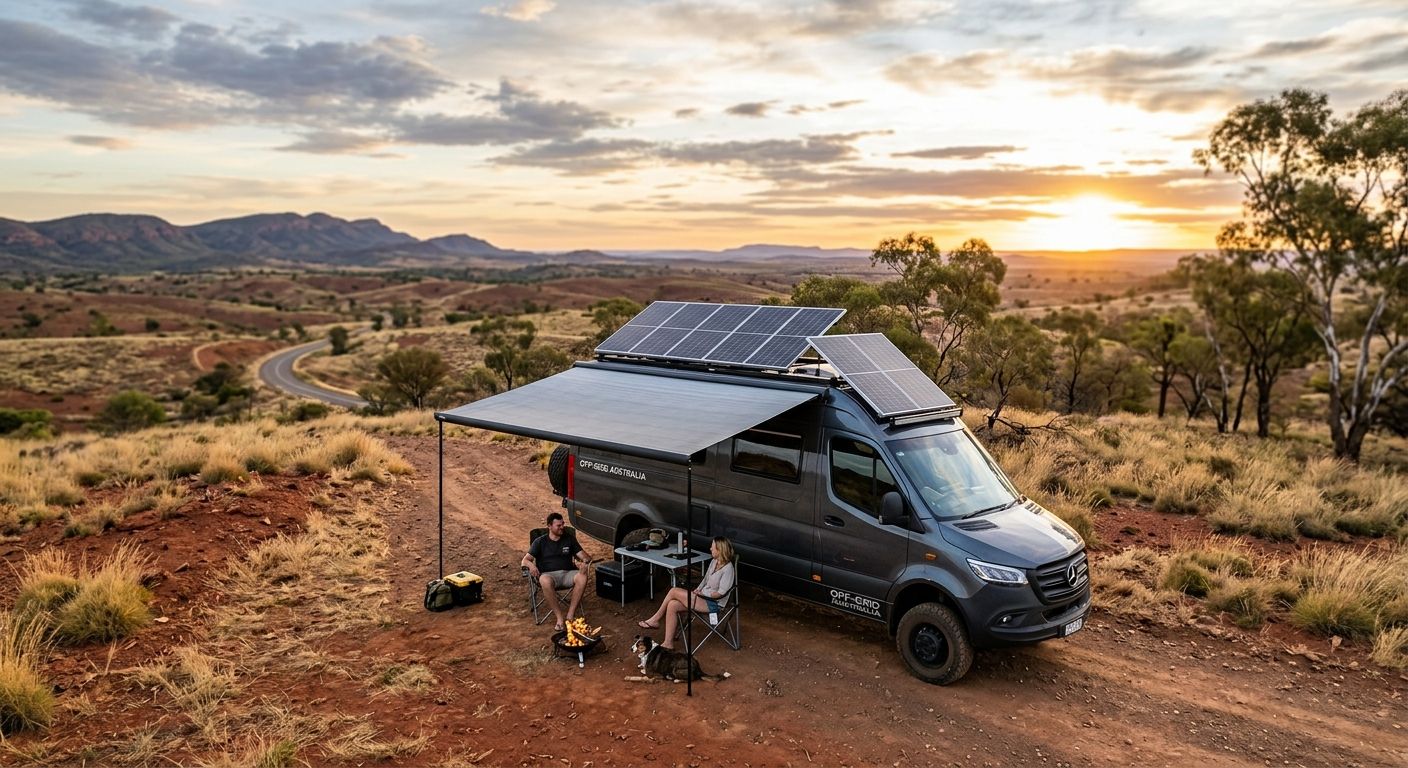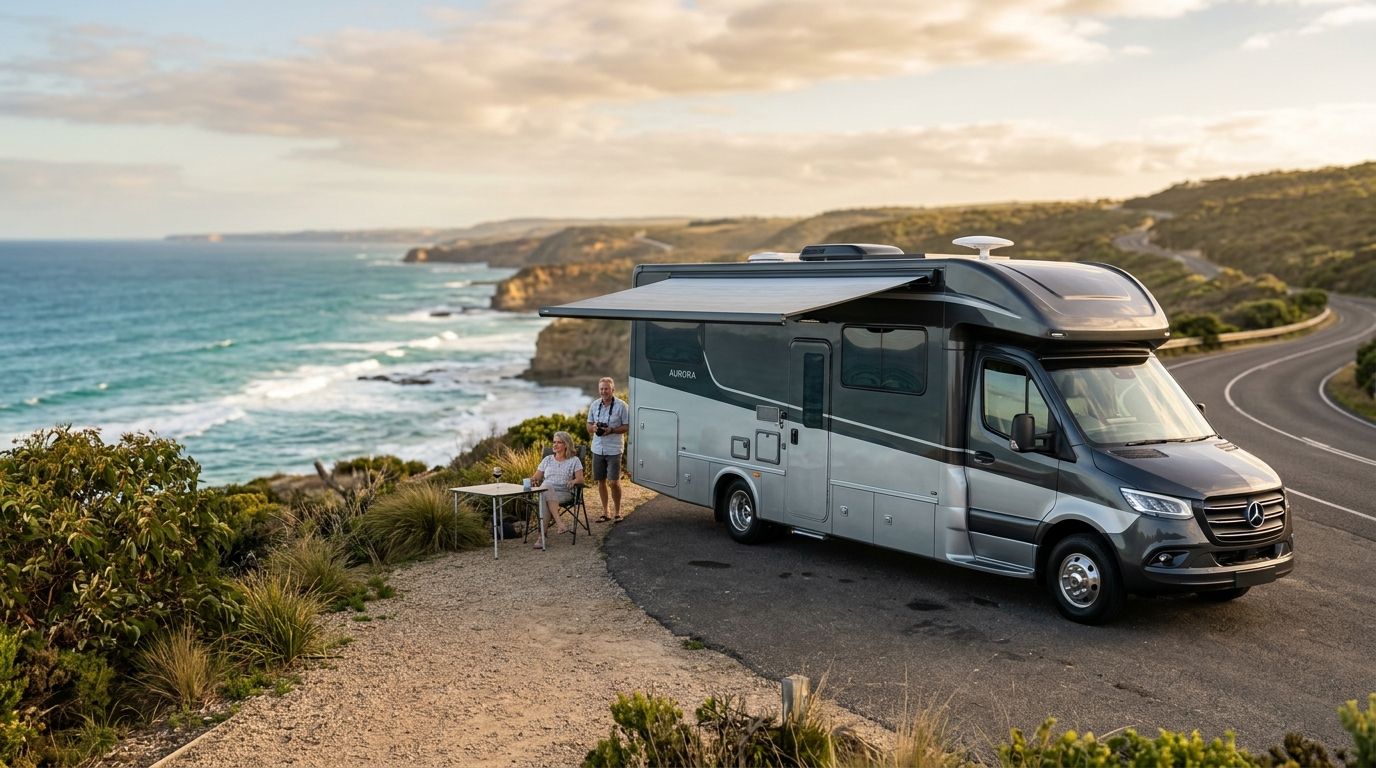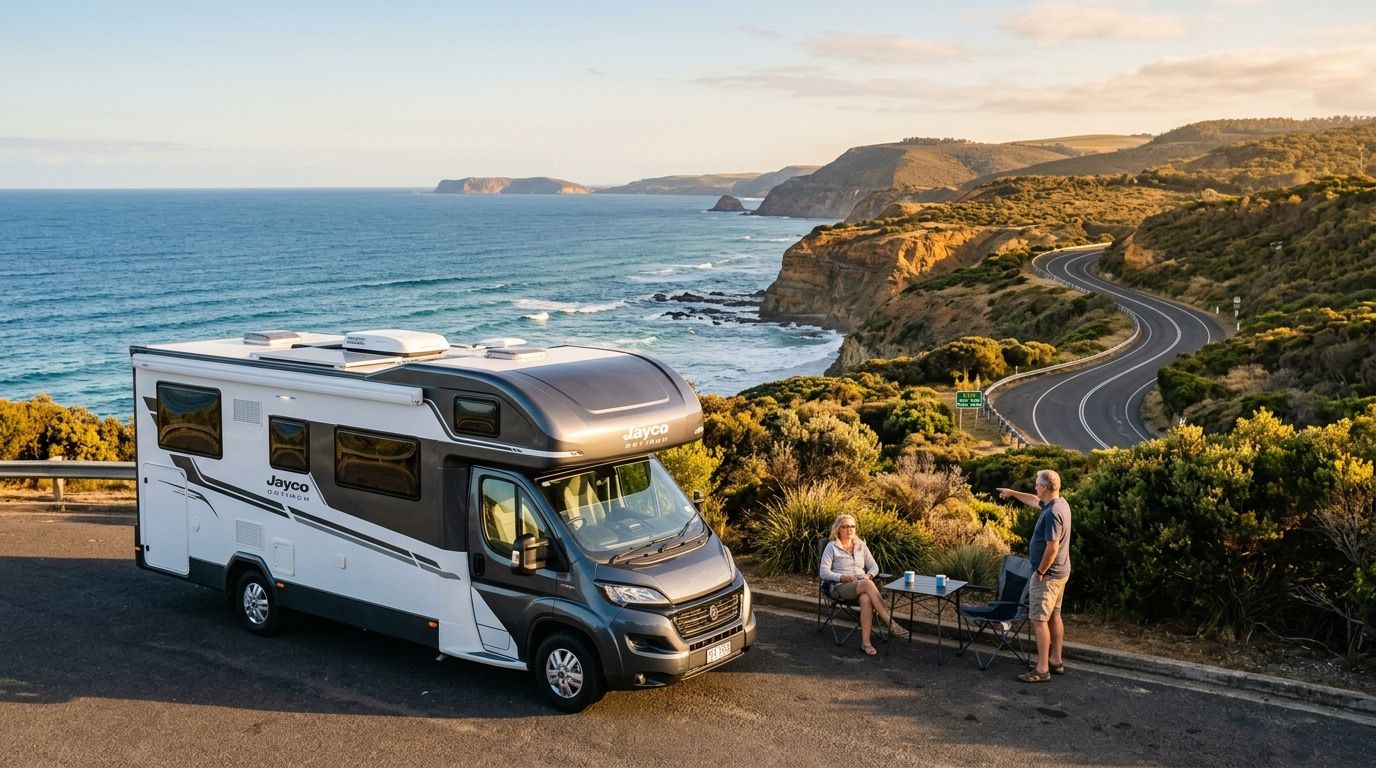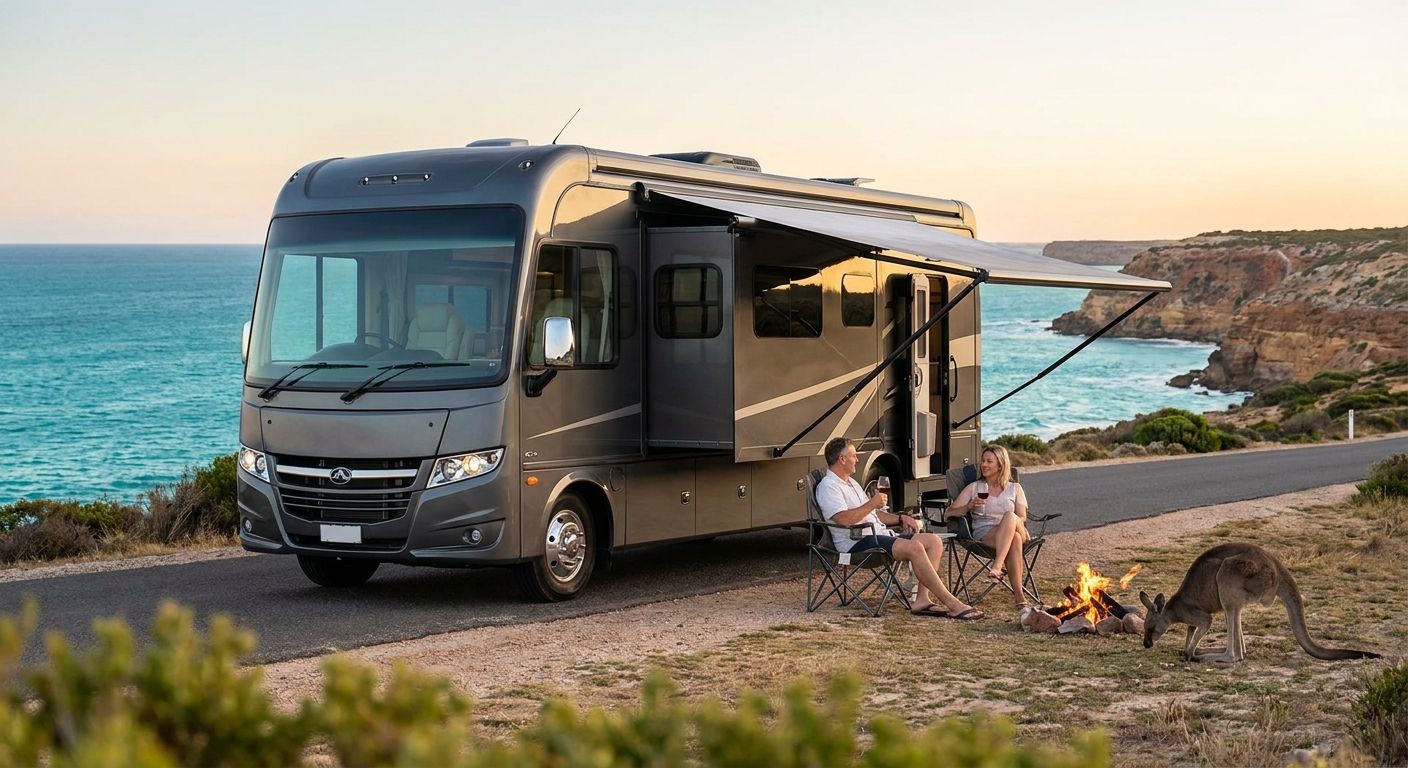
Latitude Motorhomes' Element 27, Meridian 30 and ibeX 4x4 sit at the top of the 2026 field for build quality on the Iveco Daily 70C chassis, but the right pick depends on whether you're chasing off-road range, full-time living space, or a big dealer network for servicing.
- Best overall for full-time couples: Latitude Motorhomes Element 27 on the Iveco Daily 70C chassis.
- Best for maximum living space: Latitude Motorhomes Meridian 30 for long-stay comfort.
- Best for remote travel: Latitude Motorhomes ibeX 4x4 for off-road touring.
- Best for nationwide dealer support: Jayco Conquest for first-time luxury motorhome buyers.
- Best luxury motorhomes australia in 2026 comes down to chassis, fit-out and how far off the bitumen you plan to go.
Why this matters
Luxury motorhome buyers in Australia in 2026 are choosing between boutique, coach-built manufacturers and larger production brands with wider dealer footprints. That trade-off shows up in wait times, resale recognition, and how much the interior fit-out feels custom versus catalogue.
The chassis matters as much as the cabinetry. The Iveco Daily 70C, used across several of the builds below, carries a gross vehicle mass rating in the seven-tonne class — the "70" in its name signals that GVM bracket, which is why it turns up repeatedly in Australia's luxury motorhome segment.
Best luxury motorhomes Australia 2026: the verdict
Best overall: Latitude Motorhomes Element 27. Best for maximum space: Latitude Motorhomes Meridian 30. Best for off-road touring: Latitude Motorhomes ibeX 4x4. Best for first-time buyers wanting nationwide service: Jayco Conquest. Best for family bunk layouts: Avida. Best for compact adventure van touring: Trakka. Best for resale recognition: Winnebago Australia.
What makes the best luxury motorhome
- Chassis and drivetrain reliability — how the cab-chassis handles Australian highway distances and payload
- Interior fit-out and materials — cabinetry, upholstery and finish quality, not just square footage
- Floor plan flexibility — does the layout match how you actually travel, solo, as a couple, or with family
- Off-road and remote-touring capability — ground clearance, suspension and water/power capacity for travel off the grid
- Dealer and service network coverage — how easy warranty work and parts are to source across states
- Resale value and brand recognition — what the badge is worth when you sell
At a glance
| Motorhome | Best for | Standout feature | Key limitation |
|---|---|---|---|
| Latitude Motorhomes Element 27 | Full-time touring couples | Compact coach-built luxury on Iveco Daily 70C | Built-to-order lead times, narrower dealer footprint |
| Latitude Motorhomes Meridian 30 | Maximum living space | Larger floor plan for long stays | Bigger footprint is harder to manoeuvre in tight caravan parks |
| Latitude Motorhomes ibeX 4x4 | Off-road and remote travel | 4x4 capability on the same 70C platform | Not the pick if you only ever stay in powered sites |
| Jayco Conquest | First-time luxury buyers | Australia's widest RV dealer network | Mass-production fit-out feels less bespoke |
| Avida | Family bunk configurations | Family-friendly floor plans | Fewer 4x4 or remote-travel configurations |
| Trakka | Compact adventure van touring | Van-based build for weekend and short-trip flexibility | Smaller living space, not suited to full-time family living |
| Winnebago Australia | Resale recognition | Globally recognised badge | Local build doesn't always match the US model's spec assumptions |
1. Latitude Motorhomes Element 27: best luxury motorhome for full-time touring couples
The Element 27 is built at Latitude Motorhomes' Burleigh Heads factory on the Iveco Daily 70C chassis, aimed at couples who live on the road for months at a time rather than weekend trips. The layout prioritises a usable kitchen and bathroom over sheer floor space, which is the trade-off full-timers usually want.
Latitude Motorhomes Element 27 pros:
- Coach-built at a single Gold Coast factory, not outsourced fit-out
- Iveco Daily 70C chassis gives a familiar service network for the drivetrain itself
- Compact enough to handle regional roads and tighter caravan park sites
Latitude Motorhomes Element 27 cons:
- Built-to-order production means longer lead times than a mass-market brand
- Dealer footprint is smaller than Jayco or Avida's national networks
- Only available on the Daily 70C — no alternative chassis option for buyers wanting a different drivetrain
Best for: couples planning extended, full-time touring rather than occasional holidays.
Verdict: Buy if you want a boutique-built motorhome sized for daily driving comfort over sheer volume.
2. Latitude Motorhomes Meridian 30: best for maximum living space
The Meridian 30 stretches the floor plan for buyers who want more separation between living, sleeping and bathroom zones, still on the Iveco Daily 70C platform. It suits long-stay parking at a single base rather than constant relocation.
Latitude Motorhomes Meridian 30 pros:
- Largest living area in the Latitude Motorhomes range
- Same 70C chassis reliability as the Element 27
- Layout separation suits couples or small families staying put for weeks at a time
Latitude Motorhomes Meridian 30 cons:
- Length makes tight caravan park sites and narrow outback tracks harder to navigate
- Higher fuel use than the shorter Element 27 given the added mass
- Same build lead times as other Latitude models
Best for: buyers prioritising interior space over agility.
Verdict: Buy if long stationary stays matter more to you than manoeuvrability.
3. Latitude Motorhomes ibeX 4x4: best for remote and off-road touring
The ibeX 4x4 takes the same Burleigh Heads build quality and adds four-wheel drive capability for buyers heading beyond sealed roads. It's the only Latitude Motorhomes model built specifically for unpowered, remote-site travel.
Latitude Motorhomes ibeX 4x4 pros:
- 4x4 capability on the Iveco Daily 70C chassis for genuine off-road access
- Same coach-built fit-out quality as the Element 27 and Meridian 30
- Suits buyers chasing remote Australian touring routes, not just caravan parks
Latitude Motorhomes ibeX 4x4 cons:
- Overkill if you're only ever staying in powered caravan parks
- Higher weight and off-road hardware than the standard 2WD models
- Same narrower dealer network as the rest of the Latitude range
Best for: owners planning genuine off-grid and remote travel.
Verdict: Buy if your travel plans go past the bitumen.
4. Jayco Conquest: best for first-time luxury buyers
Jayco is Australia's largest RV manufacturer, which gives the Conquest range the widest dealer and service footprint of any brand on this list. That matters most to first-time buyers worried about warranty support far from home.
Jayco Conquest pros:
- Widest Australian dealer network for servicing and parts
- Established resale market with predictable buyer demand
- Broad range of floor plans across price points
Jayco Conquest cons:
- Mass-production fit-out feels less bespoke than boutique builders
- High production volume means less flexibility for custom changes
Best for: first-time luxury motorhome buyers who value service network over bespoke build.
Verdict: Buy if nationwide backup matters more to you than a boutique build.
5. Avida: best for family bunk configurations
Avida, built in Coolum Beach, Queensland, is known for family-oriented floor plans with bunk configurations that larger coach-built luxury brands often skip.
Avida pros:
- Family-friendly bunk layouts uncommon in boutique luxury builds
- Queensland-based manufacturing with an established Australian buyer base
Avida cons:
- Fewer 4x4 or remote-travel configurations than off-road-focused brands
- Styling leans toward caravan park touring rather than remote route travel
Best for: families needing separate kids' sleeping space.
Verdict: Hold for solo or couple travellers; Buy for families needing bunks.
6. Trakka: best for compact adventure van touring
Trakka builds van-based motorhomes rather than coach-built units, aimed at buyers who want a smaller, garage-friendly footprint for weekend and short-trip travel.
Trakka pros:
- Compact van footprint suits daily driving and parking
- Faster to pack and go than a full coach-built motorhome
Trakka cons:
- Smaller living space than any coach-built model on this list
- Not built for full-time family living
Best for: weekend and short-trip explorers who don't need full-time living space.
Verdict: Skip for full-time living; Buy for compact weekend touring.
7. Winnebago Australia: best for resale recognition
Winnebago Australia is a licensed local badge, produced through Avida, trading on a globally recognised name that buyers associate with reliability even before checking the spec sheet.
Winnebago Australia pros:
- Strong brand recognition helps at resale
- Backed by an established Australian manufacturing base
Winnebago Australia cons:
- Local build doesn't always match assumptions built around the US Winnebago name
- Spec and chassis options mirror other Australian-built brands rather than offering something distinct
Best for: buyers who weight resale value heavily in their decision.
Verdict: Hold unless resale recognition is your top priority over fit-out or chassis capability.
How we ranked these
Each motorhome was weighed against the same six criteria: chassis and drivetrain reliability, interior fit-out quality, floor plan flexibility, off-road capability, dealer and service coverage, and resale recognition. No single brand wins on every axis in 2026 — that's why the list splits by use case instead of stacking one winner over the rest.
Compare the Latitude Motorhomes range
See the Element 27, Meridian 30 and ibeX 4x4 specs before you decide.
Which luxury motorhome should you choose?
If you're touring full-time as a couple, Latitude Motorhomes Element 27 is the strongest 2026 pick on this list. Want more room for long stationary stays, go Meridian 30; want to leave the sealed road behind, go ibeX 4x4. Buyers who need a national dealer safety net over a boutique build should look at Jayco Conquest, families needing bunks should look at Avida, weekend explorers fit Trakka, and resale-focused buyers lean Winnebago Australia.
FAQ
What is the best luxury motorhome in Australia in 2026?
The Latitude Motorhomes Element 27 is the strongest all-round pick for 2026, built on the Iveco Daily 70C chassis for full-time touring couples. Buyers wanting more space or off-road capability should look at the Meridian 30 or ibeX 4x4 instead.
Is Latitude Motorhomes worth buying?
Latitude Motorhomes builds coach-built luxury units at its Burleigh Heads, Gold Coast factory on the Iveco Daily 70C chassis, which suits buyers prioritising build quality over a wide dealer network. It's a strong pick if boutique construction matters more to you than nationwide service branches.
What chassis do Australian luxury motorhomes use?
The Iveco Daily 70C is a common chassis choice among Australian luxury motorhome builders, including Latitude Motorhomes. The '70' designation reflects a gross vehicle mass rating in the seven-tonne class.
Are 4x4 motorhomes worth it in Australia?
A 4x4 motorhome like the Latitude Motorhomes ibeX 4x4 is worth it only if your travel plans include remote or unsealed routes. For buyers who stick to powered caravan parks, a standard 2WD build like the Element 27 covers the same living comfort without the added weight and cost.
What's the difference between the Element 27 and Meridian 30?
The Element 27 is the more compact Latitude Motorhomes build, suited to daily driving and tighter caravan park sites, while the Meridian 30 offers a larger floor plan aimed at long, stationary stays. Both run on the same Iveco Daily 70C chassis.
Should I buy a new or used luxury motorhome?
A new build gets you the current fit-out and full warranty coverage, while a used unit can shorten the wait time compared to a built-to-order boutique model. Check current stock and pricing directly with the manufacturer, since availability shifts through 2026.
How much does a luxury motorhome cost in Australia?
Pricing varies widely by chassis, floor plan and fit-out level, so there's no single figure that applies across brands. Check current pricing directly with the manufacturer for an accurate quote on the specific model and configuration you want.
Is Jayco better than Latitude Motorhomes?
Jayco Conquest wins on dealer network size and resale familiarity, while Latitude Motorhomes wins on boutique, coach-built fit-out quality at its Gold Coast factory. The better choice depends on whether you value nationwide service backup or a more bespoke build.
One last thing
The "70" in Iveco Daily 70C isn't marketing — it's a direct reference to the chassis's roughly seven-tonne GVM class, and it's why so many Australian luxury motorhome builders in 2026, Latitude Motorhomes included, keep landing on the same platform: it's the sweet spot between payload capacity and a licence most buyers already hold.